Pothole Damage: What Should Drivers Do and Can You Claim Compensation?
Potholes can cause expensive vehicle damage and unexpected downtime. Discover what to do if you hit one, how to claim compensation and practical ways to protect your fleet.
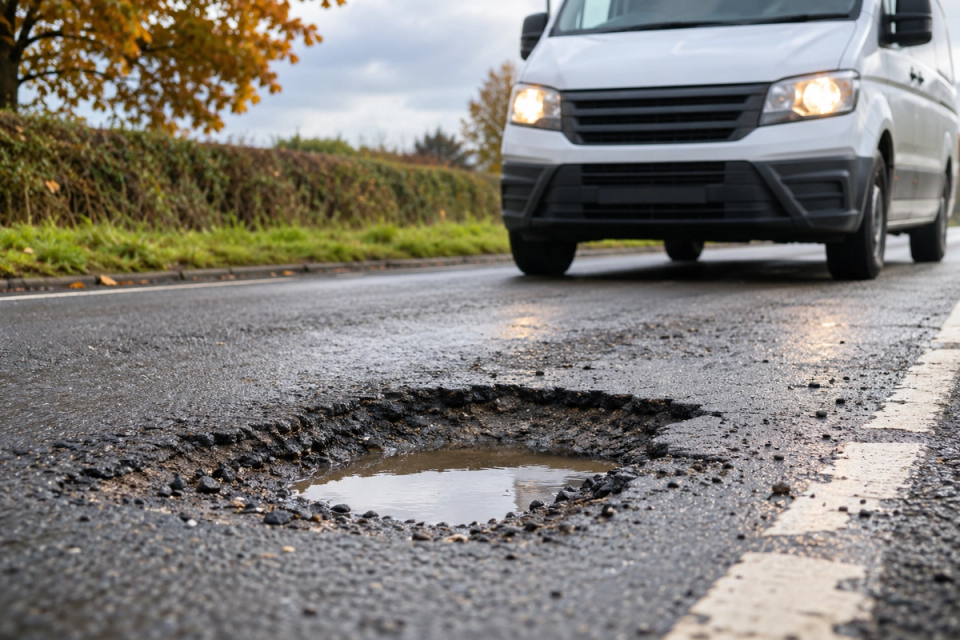
Potholes are more than just an inconvenience. They can cause expensive vehicle damage, unexpected repair bills and disruption for businesses that rely on their vehicles every day.
With the government announcing an additional £220 million for road maintenance in England, potholes are back in the spotlight.
But what happens if your car, van or HGV is damaged by one? Can you claim compensation, and what should fleet managers do when a vehicle is affected?
Here's what you need to know.
Government announces £220 million to tackle potholes
On 21 October 2026, the Department for Transport announced that a further £220 million in funding would be released to councils across England to support road maintenance and pothole repairs.
The announcement also revealed that:
Nearly 7,000 miles of roads are expected to be resurfaced this year.
Road resurfacing activity is up by more than 10% compared with the previous year.
Councils are spending approximately £4.9 billion on road maintenance this year.
Additional funding will be linked to councils meeting performance targets.
The government hopes that increased investment and preventative maintenance will improve road conditions and reduce repair costs for motorists.
However, potholes remain a concern for drivers, particularly during the colder months when wet weather and freezing temperatures can contribute to road deterioration.
Source: Department for Transport – October 2026 announcement
What damage can potholes cause to your vehicle?
Hitting a pothole can cause more damage than you might initially realise.
Depending on the size of the pothole, your speed and the type of vehicle, common problems include:
Tyre damage
Potholes can cause punctures, sidewall damage and tyre bulges. Some damage may not be immediately visible.
Wheel damage
A significant impact can bend or crack an alloy wheel or damage a steel wheel.
Suspension problems
Suspension components can be damaged by sudden impacts, potentially affecting how the vehicle handles.
Wheel alignment issues
If your vehicle starts pulling to one side or the steering wheel feels off-centre, the impact may have affected its alignment.
Unexpected downtime
For businesses operating vans and HGVs, even a relatively minor repair can result in missed deliveries, disrupted schedules and additional operating costs.
If you suspect your vehicle has been damaged, arrange for it to be inspected before continuing to use it.
What should you do if you hit a pothole?
If your vehicle is damaged by a pothole, taking the right steps can help protect your safety and support a potential compensation claim.
1. Stop somewhere safe
If you notice unusual noises, vibrations, steering problems or a damaged tyre, pull over as soon as it is safe to do so.
Do not continue driving if you believe the vehicle is unsafe.
2. Check for visible damage
Look for obvious problems with the tyres, wheels and bodywork.
Remember that suspension and alignment damage may not be immediately noticeable.
If you're unsure whether the vehicle is safe, seek professional assistance.
3. Record the location
Make a note of:
The road name and precise location.
The date and approximate time.
The direction you were travelling.
Any nearby landmarks or road markers.
Accurate information will be important if you decide to make a claim.
4. Take photographs where safe
Photographs of the pothole, surrounding road and vehicle damage can help support your case.
However, never put yourself or other road users at risk to obtain evidence.
Do not stop in a dangerous location or attempt to photograph a pothole on a motorway.
5. Keep repair records
If the vehicle requires repairs, retain inspection reports, invoices, receipts and any other relevant documentation.
These can help demonstrate the damage and associated costs.
Can you claim compensation for pothole damage?
Yes, you may be able to claim compensation if a pothole damages your vehicle, but payment is not guaranteed.
The organisation responsible for maintaining the road may be liable if it failed to meet its legal responsibilities.
However, the fact that a pothole existed does not automatically mean the council or highway authority must compensate you.
The authority may be able to demonstrate that it had a reasonable inspection and maintenance system in place.
Each claim is considered on its individual circumstances.
For example, a council may dispute liability if it can show that the defect developed between reasonable inspections and it had followed appropriate maintenance procedures.
This is why providing clear evidence is important.
Who should you contact about pothole damage?
The organisation responsible depends on where the damage occurred.
England: For most local roads, contact the relevant local council.
For motorways and major A-roads managed by National Highways, contact National Highways. Some roads, including London's red routes, are managed by other authorities.
Scotland: Local councils generally manage local roads, while trunk roads and motorways are maintained by the relevant trunk road operating companies.
Wales: Local councils are responsible for many local roads, while Traffic Wales can direct motorists to the appropriate organisation for trunk roads and motorways.
Northern Ireland: Claims relating to public roads are generally handled through the Department for Infrastructure. The government provides guidance to help drivers identify the correct organisation.
Useful resource: GOV.UK – Claim for damage to your vehicle
How do you make a pothole damage claim?
Although the exact process varies between authorities, there are several common steps.
Step 1: Identify who maintains the road
Use the government's guidance to establish which council or highway authority is responsible.
Step 2: Report the pothole
Notify the responsible authority about the defect. Keep a record of your report and any reference number provided.
Step 3: Gather your evidence
Include photographs where safely obtained, repair invoices, vehicle inspection reports and details of the incident.
Step 4: Submit your compensation claim
Follow the relevant authority's claims procedure, explaining what happened, what damage was caused and why you believe the authority is responsible.
Step 5: Keep copies of everything
Retain your correspondence, supporting evidence and claim reference number.
Claims can take time to investigate, and authorities may request further information.
If the claim is rejected, ask for the reasons and consider whether you have additional evidence to support your case.
You may also wish to speak to your insurer about your options.
What does pothole damage mean for fleet managers?
For businesses operating several vehicles, pothole damage can create challenges beyond the initial repair bill.
A delivery van being taken off the road could mean missed appointments, delayed deliveries or the cost of arranging a replacement vehicle.
For fleet managers, having a clear process for reporting road damage can help minimise disruption.
Five practical tips for fleet operators
1. Encourage drivers to report incidents immediately
The sooner a problem is identified, the easier it is to assess the damage and arrange repairs.
2. Include tyres and wheels in routine checks
Regular vehicle inspections can help identify damage before it develops into a more serious problem.
3. Keep maintenance records organised
Accurate records make it easier to identify recurring issues and provide evidence when needed.
4. Record vehicle downtime
Track how long vehicles are unavailable and the impact on business operations.
5. Make sure drivers know what to do
A simple incident-reporting procedure can help drivers collect the right information without compromising safety.
How can drivers reduce the risk of pothole damage?
Although potholes cannot always be avoided, there are steps drivers can take to reduce the risk of damage.
Maintain a safe following distance: This gives you more time to identify hazards ahead.
Keep tyres correctly inflated: Follow the vehicle manufacturer's recommended tyre pressures.
Adjust your speed to road conditions: Particularly on unfamiliar or poorly maintained roads.
Avoid sudden swerving: Only change direction when it is safe and legal to do so.
Take extra care in wet weather: Standing water can conceal potholes.
Report dangerous road defects: Reporting potholes can help highway authorities identify problems.
For fleet operators, these reminders can form part of regular driver safety communications.
Keeping your fleet moving
The government's latest investment in road maintenance is a positive development for motorists and businesses.
However, pothole damage remains a practical concern for anyone spending significant time on UK roads.
Understanding what to do after an incident, keeping accurate records and knowing when compensation may be available can help drivers and fleet managers manage the consequences.
At Greenarc Fuel Cards, we know there's more to managing a fleet than simply keeping it fuelled.
That's why we share practical driver advice, industry updates and useful information to help businesses keep their vehicles moving.
Driven by Insight, Powered by Partnership.
Official sources and further reading
Department for Transport – 21 October 2026: Record funding, record results: Government tackles potholes
GOV.UK: Claim for damage to your vehicle
Department for Transport: Local highway maintenance transparency reports 2026